The energy sector is undergoing change at an increasing pace, with green hydrogen and battery energy storage systems (BESS) taking the lead. As countries move to reach net zero, the delivery of integrated green hydrogen and BESS Battery energy storage systems as part of Engineering, Procurement and Construction (EPC) project models is becoming a main piece of sustainably generating and storing electricity. Recognizing their roles will be fundamental to achieving the energy system of the future that is cleaner, safer and more resilient
What is Green Hydrogen?
Green hydrogen is hydrogen generated from renewable energy sources, mostly with electrolysis of water powered by renewables such as wind, solar, or hydro. Green hydrogen represents an important foundational building block for achieving carbon neutrality, as unlike traditional hydrogen produced from fossil fuel, it does not generate any greenhouse gas. In industrial, transportation, and electricity generation sectors, the opportunity to switch to green hydrogen as a more sustainable substitute for fuel is being explored.
EPC projects for green hydrogen is the experience of designing, procuring equipment, and construction of facilities to generate, store and dispense hydrogen in the most efficient manner. These projects require a level of thoughtful design to optimize the operational yield of the electrolyzer, incorporate renewable energy input, and comply with all applicable codes and standards for large-scale hydrogen storage.
Battery Energy Storage Systems (BESS) and Their Importance
Battery energy storage systems (BESS) are tackling the problem of "intermittent" renewable energy just like green hydrogen is solving the issue of producing a clean fuel. Battery energy storage systems (BESS) essentially capture excess energy from renewable energy sources and provide or deliver energy when energy is limited or demand is high. In this way, they help stabilize the grid and ensure that allocated and generated clean energy sources are not wasted. The grid can be optimized and BESS can improve overall system reliability.
Types of battery energy storage systems differ in form, from lithium-ion to flow batteries to solid-state batteries. Efficiency, costs, longevity or life, and ability to deploy or ramp capacity will be different across these various BESS solutions. Ultimately, a hybrid model of BESS that can couple to green hydrogen facilities will achieve the best of both energy generation and energy storage that enables a cleaner source of energy.
The Added Benefit of Green Hydrogen and BESS
Adding BESS to a green hydrogen EPC project adds energy flexibility, where "surplus" electricity that can come from either solar or wind can be converted to stored energy in BESS or become an "energy storage" via green hydrogen production. Green hydrogen remains a form of energy storage with a longer storage, day or longer with the result being that BESS. This can lessen renewable intermittent energy issues and allow us to expand the applicability to industrial markets, transportation, and grid balancing.
Challenges and Future Opportunity
Taking green hydrogen and BESS to market includes a variety of challenges including high market entry point cost, infrastructure needs, and requisite technology standardization. Despite these challenges, an ongoing research effort into the viability of pairable technologies illustrates a good potential destination point for energy storage hydrogen EPC experiences to become considerably more economic and deployable. Further work related to pairing energy green hydrogen EPC experience with the future battery energy storage systems (BESS) technologies are a viable pathway for buildings toward the resiliency and emissions-free future.
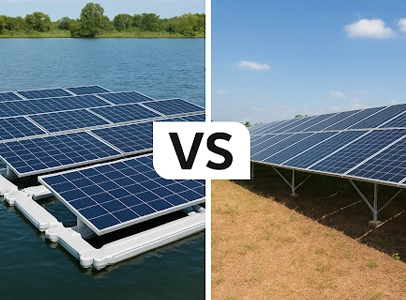
Advantages of Floating Solar vs. Ground-Mounted Solar
Previous Blog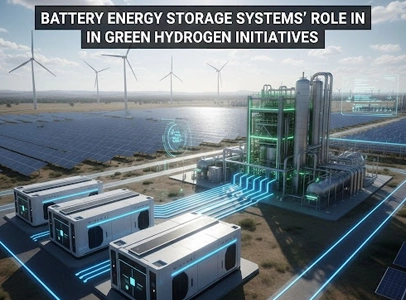



Blog Comment Form